
My Child Won’t Play With Me: What Can Dad Do?
Your preschooler says no when Dad joins the game? Work out what they are refusing, try a smaller invitation and find ways to share time without pushing.
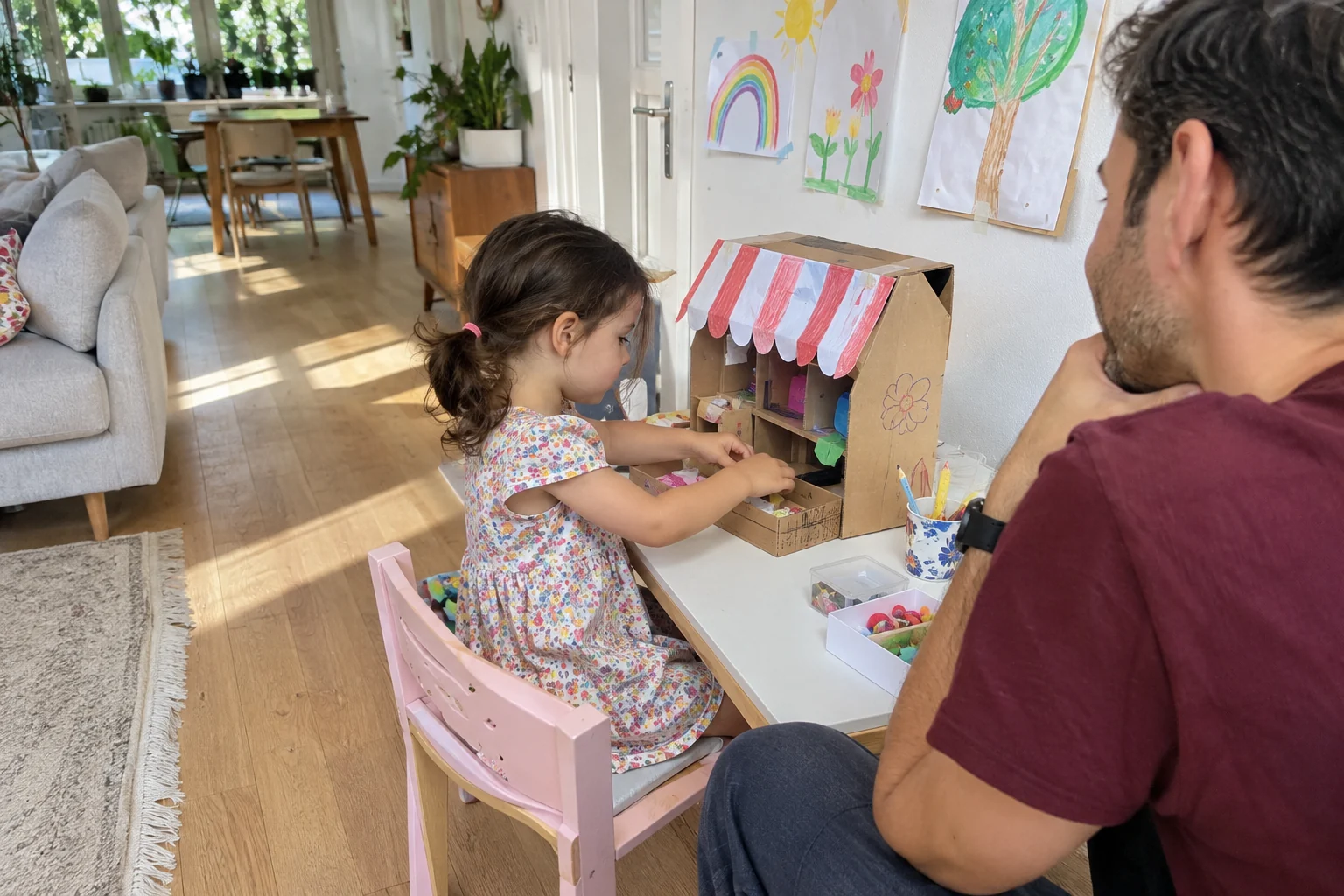
Pause before joining. Watch what your child is doing, ask for a small role and follow their idea. If they want to play alone, give them space and offer company later. Look for the games and moments they already enjoy with you.
“No, Dad. Leave it.” You only moved one block, but apparently that block was holding the whole story together. Put it back. Before proposing another game, find out what this one is.
For dads of children ages 3 to 5, the useful first step is finding out what the no applies to. Joining a half-built garage is different from inviting your child to start something with you. A game they refuse today may be welcome tomorrow. You can take their answer seriously and keep making room for time together.
Is your child refusing Dad, this game or an interruption?
Listen to the words around the refusal. “Don’t move that” may mean you have touched an important part of the game. “I’m doing this” may mean they want to finish. “I want Mom” tells you they wanted someone else for this moment. None of these tells you, by itself, why your child feels that way.
Answer the request in front of you: “You want the garage left like that. I’ll put it back.” Then pause.
Check the timing too. If they have just arrived home hungry, or are absorbed in something, another invitation may have little appeal. Offer a snack or let them finish, then see whether there is a better opening. Our dad-and-child activity guide can help when the difficulty is finding a different idea.
How can Dad join without taking over?
Ask before touching: “Can I play too?” If the answer is yes, find out what part is available. Your child might hand you a passenger rather than let you drive the train. Take the passenger. There is time to discover the game before proposing a new destination.
Psychologists Leandra Godoy and Avante Smack describe child-led play as following the child’s idea while staying engaged. Once you are invited in, let their story lead.
Try one small action, then wait. If they put a toy dog inside a box, your dog could sit beside the box. If they explain that the dog is asleep, let yours sleep too. If they say the second dog cannot be there, move it back. You can ask for a role without changing their whole story.
Seattle Children’s recommends describing or imitating play and reducing questions that quietly steer it. Compare “Shouldn’t that roof go on top?” with “You put the roof beside the house.” The second leaves your child free to explain their plan or carry on.
If you get stuck once you have been invited in, our guide to playing pretend has examples of being the customer, patient or supporting character. You can contribute a voice or an idea after you know the role.
What if your child wants to play alone?
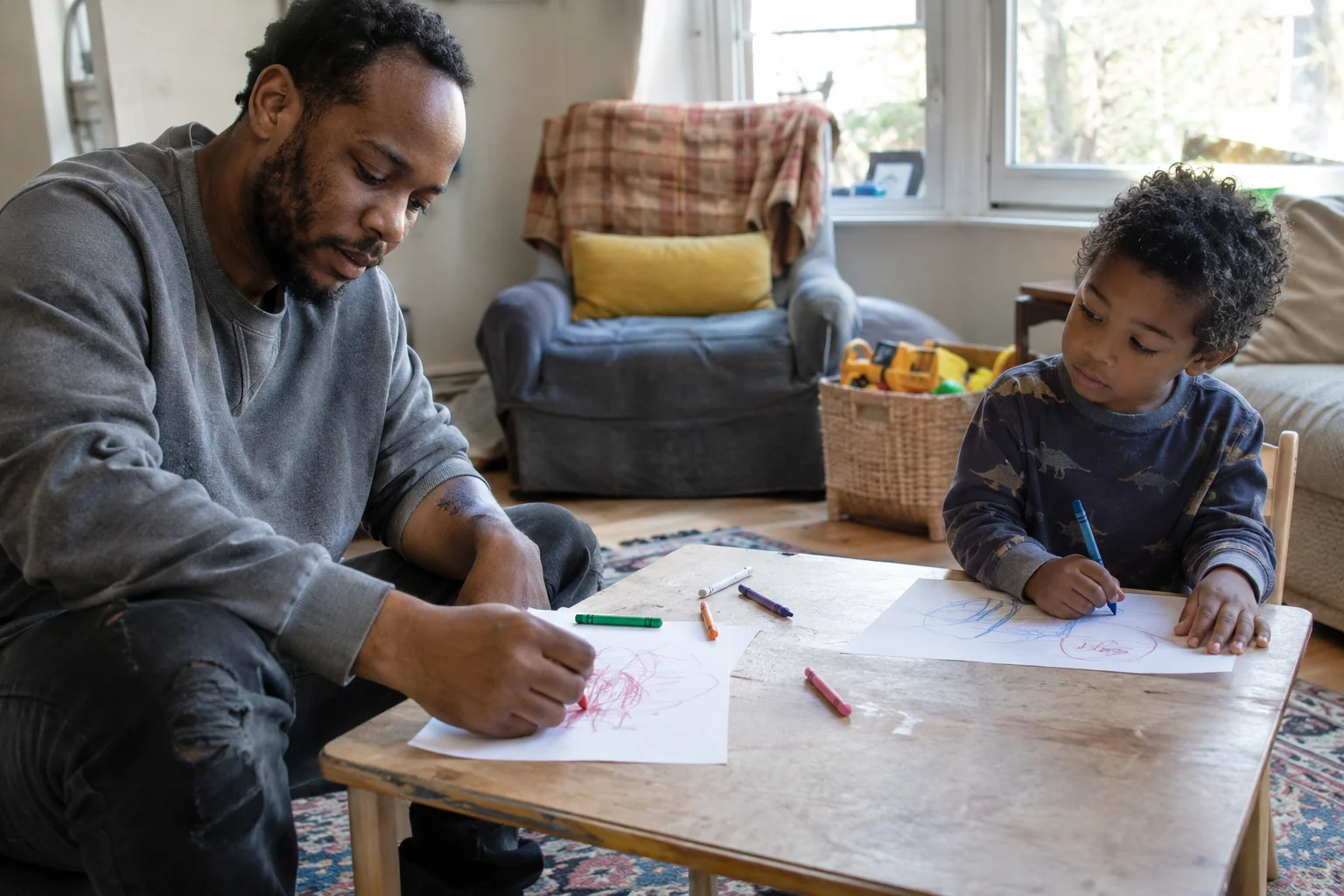
Let them have that stretch of play if it is safe to do so. You can remain available without hovering: “I’m going to draw at the table. You can show me yours when you’re ready.” Then actually draw, fold laundry or do what you said. Avoid repeatedly checking whether they have changed their mind.
Later, offer a small shared activity with a clear ending: “I’m taking the recycling out. Want to carry the cardboard with me?” Or, “I have time for one book before dinner. Would you like to choose it?” If they decline, you can get on with the task and offer another opportunity another time.
Playing alongside can also provide an opening. Draw your own picture on separate paper. If your child asks what you are making, answer and let the conversation develop. Keep their picture theirs: the aim is to share some space, not to slip into directing their activity.
What should you say when they only want Mom?
Keep the reply short: “You wanted Mom to play. I hear you. I’m here if you want company.” If the other parent is available, you can agree together on how to handle that moment. If they are busy or away, explain what is happening without promising a return or a game you cannot guarantee.
The adults can coordinate privately. For instance, Mom might finish the current game, then Dad offers the usual walk after lunch. Avoid making your child choose who they love more, or asking the other parent to disappear so the child has no alternative.
When you need to provide care, the boundary can stay: “You wanted Mom. Today I’m helping with your shoes.” Refusing a game does not mean every everyday task has to change hands. If your difficulty is specifically bedtime, use our guide to a child who only wants Mom at bedtime.
What if Dad feels rejected or gets frustrated?
You can feel hurt without asking your child to fix it. Skip “You never want me” or “After everything I do for you.” If you need a moment, put the toys down and say, “I’m going to get some water. I’ll be back.” Talk through the disappointment with another adult later.
If you pushed too hard, you can correct the moment: “You said you wanted to build alone, and I kept moving the blocks. I’ll leave them.” If you shouted, our guide to apologizing after yelling explains how to return to the conversation.
How do you find something your child wants to repeat with Dad?
Notice openings outside the toy box. Your child might decline a construction game but want to stir pancake batter, hear your dinosaur voice or look for buses on a walk. Try one ordinary thing, then notice whether they seek it out again.
You could choose one of these seven walking games for dads and preschoolers. Start with the one that matches something your child already notices. A shared favorite can emerge from that, without announcing a new family tradition.
For the next few days, pay attention to the circumstances rather than scoring how often they say yes. When do they approach you? What are you doing at the time? Does joining work better after food, outdoors or with fewer suggestions? Use those observations to choose your next invitation.
When should you ask for advice?
A refusal to play with Dad alone cannot explain a child’s development or family relationship. If your child is persistently distressed around you, seems afraid, has stopped enjoying activities more broadly or has changes that concern you, discuss specific examples with their pediatrician. Seek advice promptly if they lose skills they previously used. The CDC recommends raising concerns about how a child plays, communicates or behaves with their doctor.
For today, leave one invitation open and respect the answer. When they do approach, take the part they offer and see where it goes.
Sources and further reading
General ideas for family life; seek individual professional advice for concerns about your child.