
My Child Says “I Can’t Do It.” How Much Should I Help?
Look at the part that is difficult, offer a small piece of help, and leave room for your child to take over.
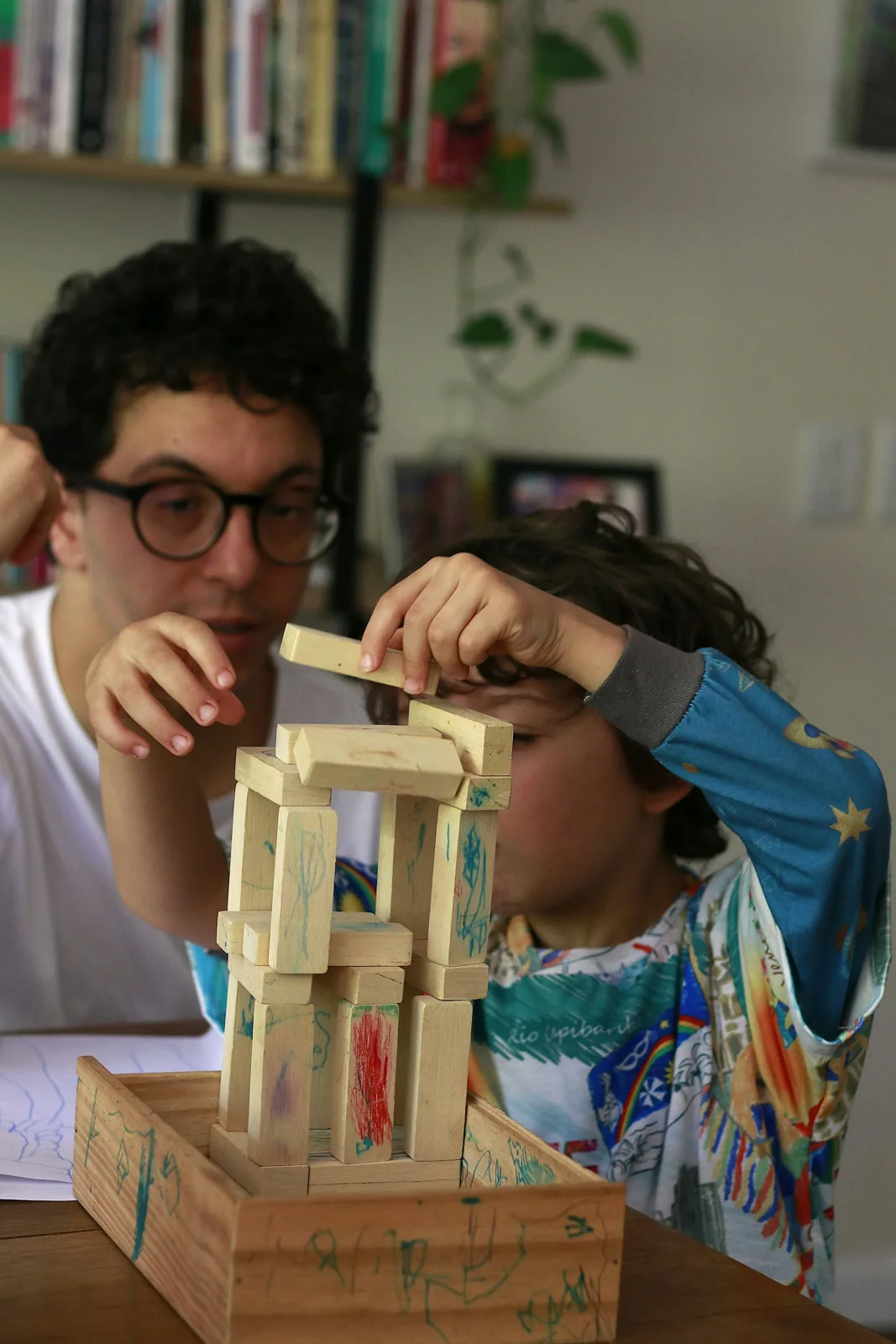
The banana is half peeled. Your child pulls the wrong strip, squashes the end, and pushes it toward you. “I can’t. You do it.”
You could finish in two seconds. You could insist they keep trying. Neither tells you how much help they need right now.
When a preschooler says “I can’t,” find the part that is getting in the way. Offer one small piece of help, then see whether they want to take over. Sometimes that means demonstrating a movement. Sometimes it means choosing an easier tool or finishing together. The useful question is: what would make the next step manageable?
First, look at the task
Before encouraging more effort, check what your child is working with. Is the lid too tight? Is the bowl sliding? Is the puzzle much harder than the one they usually enjoy?
Try: “Show me where you got stuck.” If they cannot explain, ask them to show you once, without turning it into another attempt they have to complete.
You may discover a practical problem. A child trying to stir a full bowl with an oversized spoon may need less in the bowl. Repeating “Keep going” will not change the equipment.
Also notice the timing. Practicing a tricky fastening while everyone is late for preschool puts a lot of pressure on a small skill. You can help now and return to it when you have time.
Start with the smallest useful help
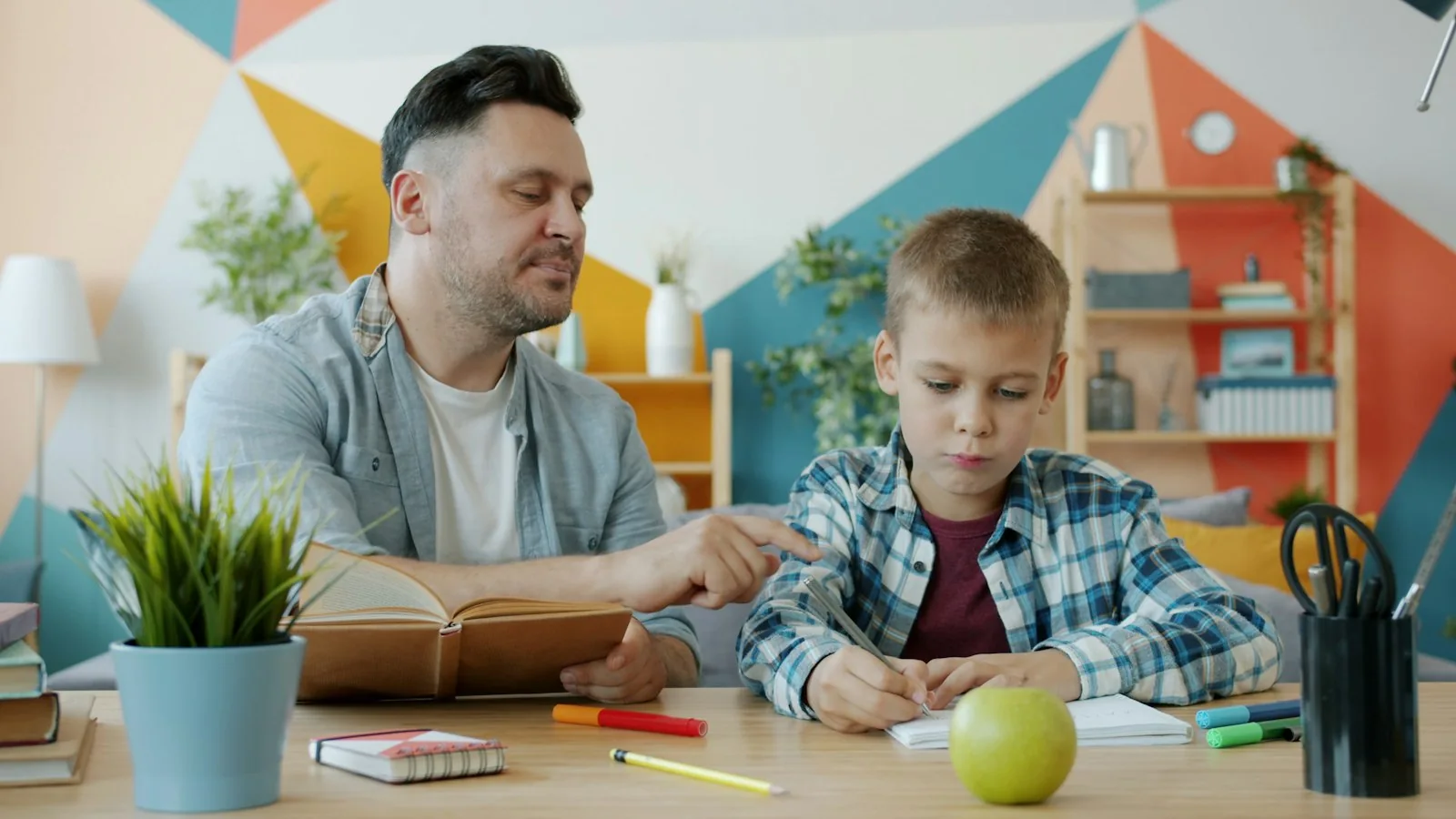
For a puzzle, you might turn one piece the right way round and leave your child to place it. For the banana, you might open the top and hand it back. For a bowl, you might hold it steady while they stir.
Ask before taking over: “Do you want me to show you, or hold this part?”
Then pause. If your child resumes, let them work without correcting every movement. If they are still stuck, offer a little more help. You are finding a workable amount of support, not testing how long they can struggle.
A clear handover helps: “I’ve loosened it. Do you want to turn it the rest of the way?” A child can decline. On some days, doing it together is enough.
What if “You can do it” makes them angrier?
Your encouragement may be landing as disagreement. They are showing you that something feels difficult, and you are telling them it should be possible.
Try describing the actual difficulty: “That piece keeps popping out. You wanted it to stay.” Then offer something useful: “Shall I hold the base?”
You do not have to agree that they can never do it. You can acknowledge this attempt without predicting the rest of their life. “This part is hard today” leaves you both room to decide what comes next.
Avoid “It’s easy.” If it were easy for your child, you probably would not be having this conversation.
Make the next attempt smaller
If five puzzle pieces feel overwhelming, find one with a clear place to go. If spreading a whole slice of bread is frustrating, put a small amount of spread near the edge and offer one short stroke with a suitable blunt utensil, under supervision.
Keep the part your child cares about. If they wanted to make the sandwich, let them put the top slice on after you help with the spreading. Completing a shared task does not require them to perform every step independently.
Cooking gives you many chances to divide a job this way. Our guide to preschool kitchen jobs can help you choose one that fits your child’s current abilities. Leave sharp tools, hot equipment, and unsafe ingredients to the adult.
Let a break be a break
An optional activity can stop. You might say, “We can leave the tower here and come back after lunch.” They may not want to return, and that is okay.
For something necessary, explain what you will do: “We need shoes to leave. I’ll help with this one; you can pull the strap on the other if you want.”
If your child is crying hard or throwing things, secure anything dangerous and give them time with your support. A long explanation about perseverance can wait. Later, you can look at whether the task needs changing.
Notice what they actually did
“You turned the piece and tried another spot” gives your child information about their approach. So does “You asked me to hold the bowl.” Asking for useful help is a skill worth recognizing.
You can also let ordinary mistakes remain visible. If your sandwich tears, say what happened and what you will do: “I pushed too hard. I’ll use a little less spread.” There is no need to stage a failure or give a speech about learning.
When to ask for advice
Mention persistent distress, avoidance across many activities, pain, loss of previously learned skills, or difficulty with everyday movements to your child’s pediatrician. A teacher may also help you understand whether the same difficulties appear at preschool. There may be a skill, sensory, or developmental issue that encouragement alone cannot address.
At the next “I can’t,” try staying curious for a moment before reaching in. The banana may need opening. Your child may need a break. Either answer is more useful than guessing that they simply need to try harder.
Sources and further reading
How to Support Young Kids Who Are Struggling in School, Child Mind Institute. Clinical expert Daryaneh Badaly, PhD, ABPP, a clinical neuropsychologist; guidance on frustration, encouragement, and effort. The everyday preschool examples above are editorial applications.
Katie Hurley, LCSW — Five Steps to Raising a Can-Do Kid, PBS KIDS for Parents. A child and adolescent psychotherapist’s guidance on challenges and mistakes.
Temper Tantrums, American Academy of Child and Adolescent Psychiatry. Responding to distress and recognizing when assessment may be useful.
Illustrative photos: Luiza Braun / Unsplash ; Vitaly Gariev / Unsplash.
General ideas for family life; seek individual professional advice for concerns about your child.