
My Child Says “I Don’t Know” About Feelings. How Can We Talk?
A scene from a story or something you noticed together can open a conversation. Your child can also choose not to answer.
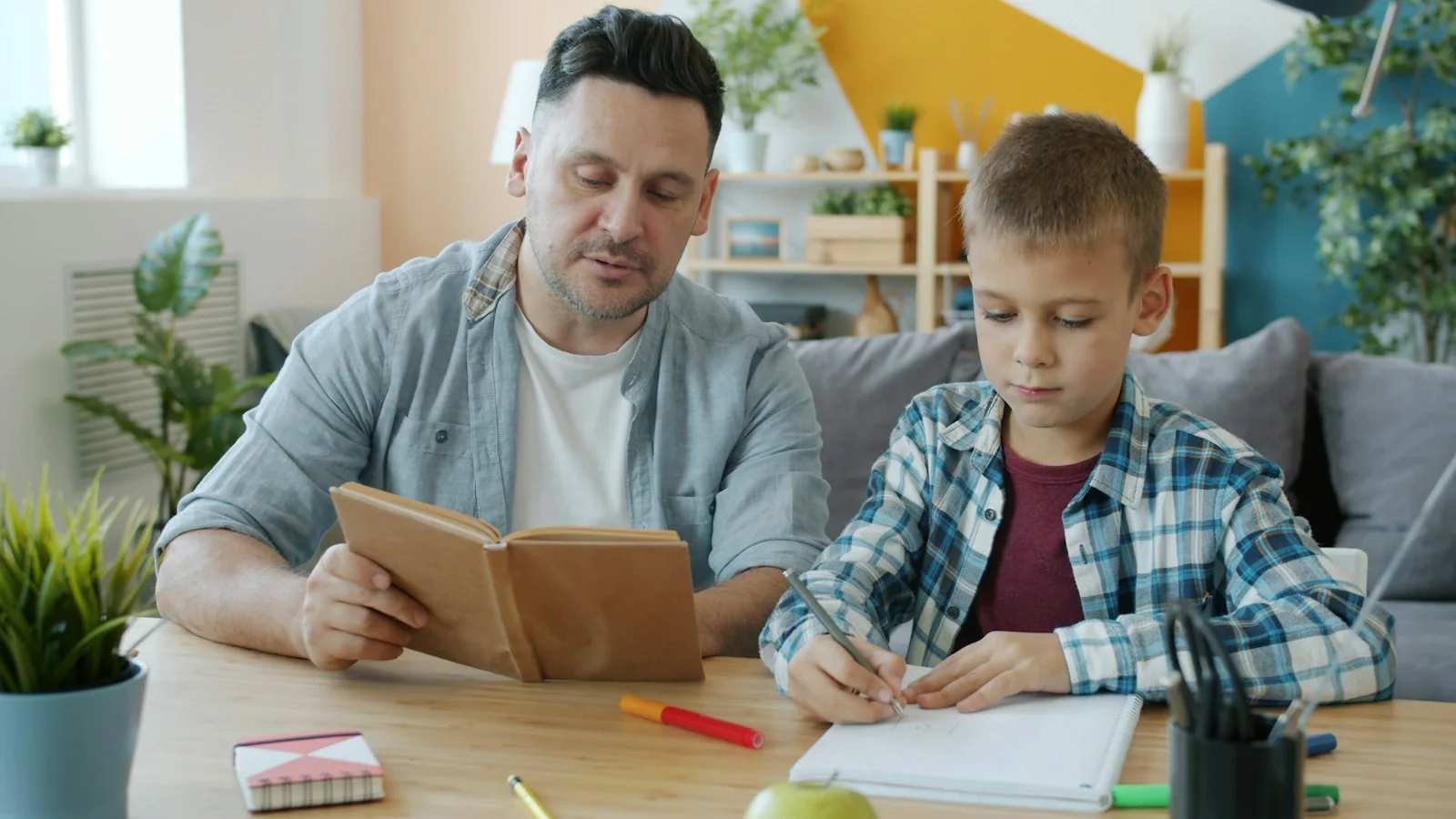
Your child was in tears ten minutes ago. Now you are sitting together and asking what was wrong. “I don’t know.” You try again: sad? Angry? Worried? The answers get shorter, and eventually they ask you to stop.
A preschooler does not always know how to explain a feeling, even after it has passed. Start with a small, observable moment, offer a possible word gently, and leave room for your child to correct you or say nothing. Books, play, and everyday activities can give you something concrete to talk about. They can stay focused on the story or game; your child does not have to explain their own feelings afterward.
“I don’t know” may be the whole answer for now
Knowing that something felt awful is different from knowing why, remembering the sequence, and finding words for it. Your child might also be tired of the topic, unsure what you are asking, or simply ready to return to playing.
You can stop asking without ignoring what happened: “Okay. You don’t have to explain now. I’m here if you want to tell me.”
If something needs sorting out, keep that practical. A broken toy still needs moving out of the way. Another child may need care. You can handle those things without getting a complete account of the emotion first.
Start with what you noticed

“You got quiet when the game ended” is easier to respond to than “Why do you always get upset?” It describes one moment without assigning a motive.
You might add: “I wondered if you were disappointed.” Say it as a guess, not a verdict. If your child says they were angry, accept the correction. If they say nothing, you can leave it there.
Sometimes an immediate need is clearer than an emotion word. “Do you want me to sit here or give you some space?” may be more useful than another question about sadness.
Use a story without turning it into a quiz
When a character is left out, pause if your child seems interested. “He’s standing away from everyone. What do you think is happening?” If they do not answer, you can offer your own thought and keep reading.
Avoid saving up a string of questions for every page. Your child is allowed to enjoy the story. They are also allowed to understand a character differently from you.
A toy can provide another route into the same idea. A teddy who cannot fit into the pretend bus might need a bigger seat, a friend, or a completely different adventure. Follow the play. There is no need to announce that teddy represents your child.
If sitting through a story is difficult, try our ideas for reading with a preschooler who keeps moving.
Let your own small feelings be visible
You can put words to an ordinary moment: “I’m disappointed that the cake sank. I was looking forward to seeing it.” Then show what happens next: you check it, decide whether it is edible, or make something else.
Keep the example small enough for your child to witness without being asked to comfort you. Adult relationship problems, money worries, and work crises need another adult’s support.
You do not have to narrate your mood all day. An occasional honest sentence gives your child a word attached to an experience they can see.
A shared activity can leave room for conversation
While you wash fruit or stir a cold mixture together, you might mention a small moment from your day. “I was pleased when my friend called.” Then let the activity continue. Your child may offer something, change the subject, or ask why the banana has brown spots.
That is still a conversation. You have spent time together without requiring a personal disclosure. If your child does begin telling you something, follow their subject before reaching for your next question.
For an activity with a clear job for each of you, browse our preschool kitchen tasks. Choose something safe and manageable so you have some attention left for the person beside you.
What if they tell you something you want to fix?
If your child says nobody wanted to play, check that you have understood before offering solutions: “You asked to join and they said no?” Let them respond. You may need to speak to preschool staff, especially if there is an ongoing problem, but you do not need to settle every detail immediately.
You can acknowledge a feeling and still keep a limit. “You were angry about the truck. I won’t let you hit” leaves room for both. For words to use during intense outbursts, keep them brief and return to the discussion later.
When to ask for support
“I don’t know” on its own is not a sign of a disorder. Seek advice if you notice lasting withdrawal, a marked change in behavior, loss of language or other skills, persistent distress, or difficulties that affect sleep, preschool, or family life. Start with your child’s pediatrician and describe what you have observed.
Tonight, you can leave the big question alone. Read a story, make a snack, or sit beside your child. If they want to keep reading, keep reading. You can talk another time.
Sources and further reading
Silvia Pereira-Smith, MD, FAAP — Everyday Ways to Talk About Mental Health, American Academy of Pediatrics. A developmental-behavioral pediatrician’s guidance on words, pictures, pauses, and age-appropriate modeling.
Starting the Conversation About Big Feelings, Nationwide Children’s Hospital. Includes guidance from clinical psychologist Becky Kennedy, PhD, on supporting children through feelings.
When to Seek Help for Your Child, American Academy of Child and Adolescent Psychiatry. Changes in daily functioning that warrant professional advice.
Illustrative photos: Vitaly Gariev / Unsplash ; Vitalii Khodzinskyi / Unsplash.
General ideas for family life; seek individual professional advice for concerns about your child.