
My Preschooler Wants Me to Play All Day. How Can Dad Take a Break?
Start with a short, predictable break while you stay nearby. Independent play still needs adult supervision.
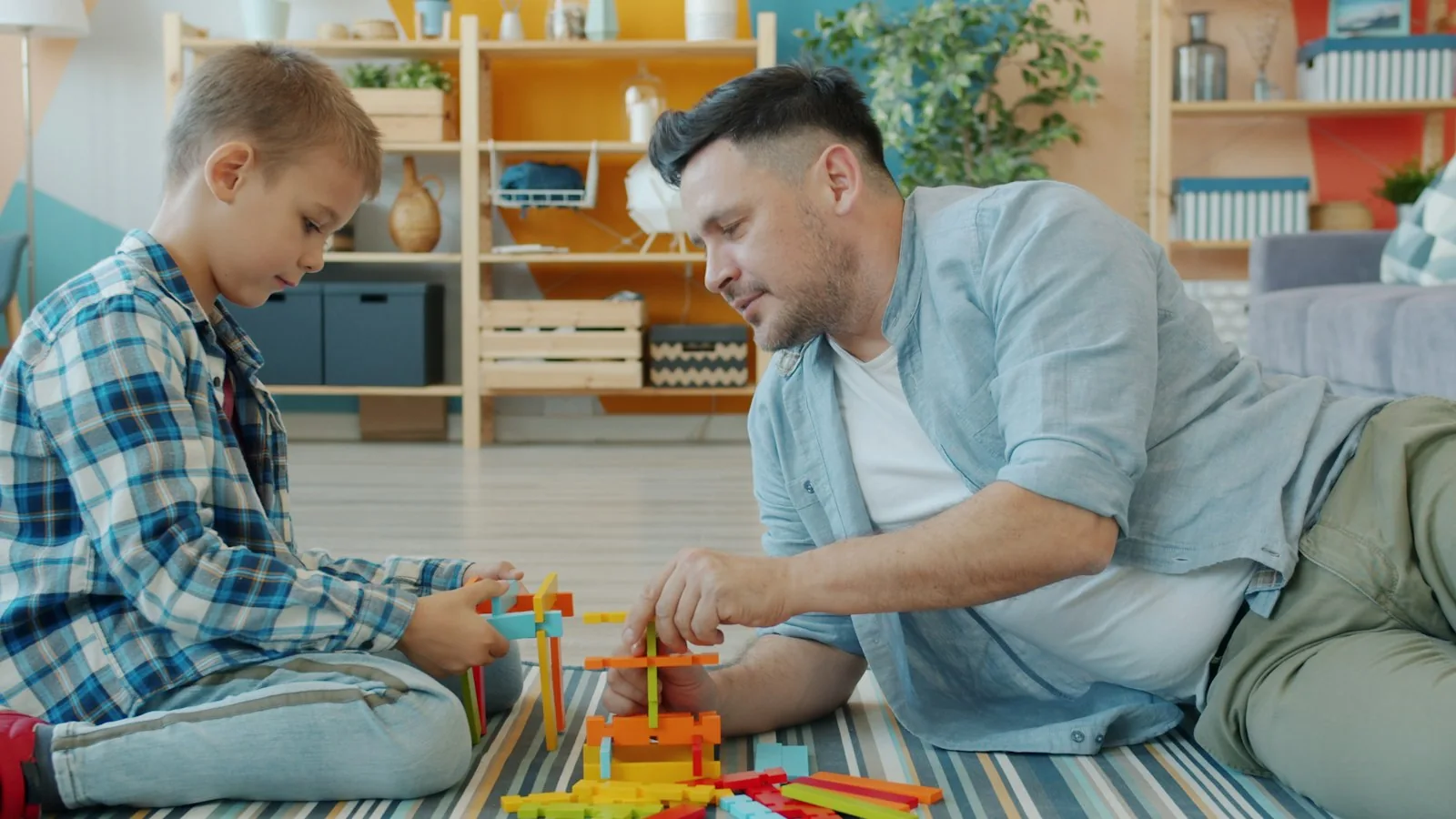
Start with a small break while you stay nearby
If your preschooler wants you to play constantly, try a short, predictable pause while you remain available and supervise. Spend some time playing together, explain what you are going to do, and leave them with something they already know how to use. Begin with a manageable interval rather than expecting a whole quiet afternoon.
You have been the dinosaur, the customer, and the person who rebuilds the bridge. You sit down, and your child arrives with another toy. A few minutes off would help.
The first step may be sitting beside your child while they carry on without assigning you a role. That is already different from having to perform every part of the game.
Does independent play mean playing alone in another room?
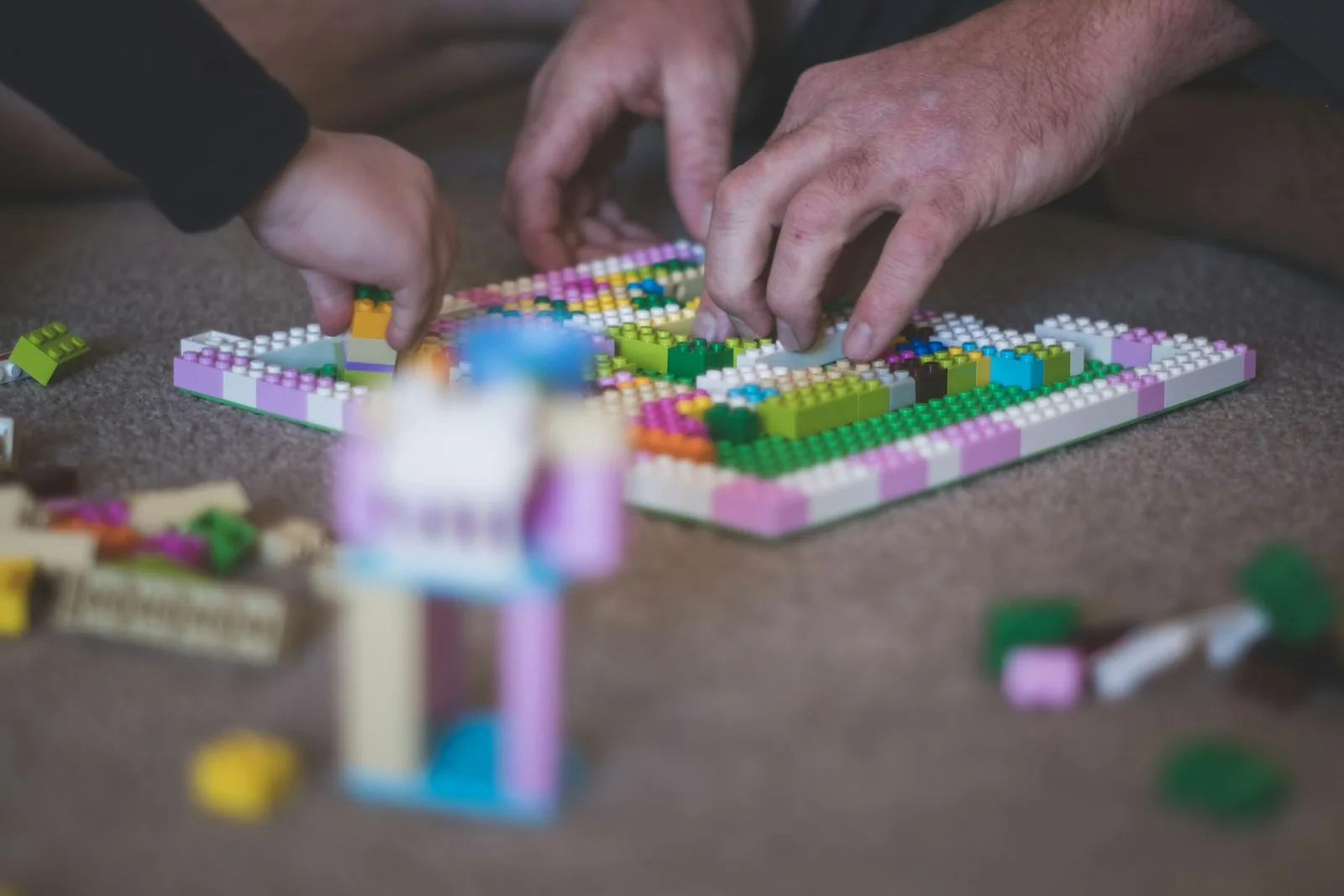
It does not have to. ZERO TO THREE recommends staying within sight or hearing as children practice independent play, choosing suitable materials, and beginning with time together. For a preschooler who needs close supervision, you can stay in the same room and keep watching while they direct the activity.
For example, your child might build a garage on the floor beside your chair while you read a few pages. You are still available if something goes wrong. You are simply no longer deciding where every car should park.
A break like this is different from being fully off duty. If you need to sleep, leave the house, or do something that prevents you from supervising, arrange another responsible caregiver.
Make the end of your turn clear
Before joining a game, tell your child what you can offer: “I can play until the timer rings. Then I’m going to sit on the couch and rest.” Pick a period you can genuinely give them, rather than repeatedly promising one more minute.
During that time, let your child lead where the play is safe. Seattle Children's describes child-directed play as following a child's ideas rather than turning the game into instructions or questions. Its guidance also recommends warning children before the shared play ends.
As the end approaches, you might say, “One more delivery, then I’m sitting down.” When you finish, move to the place you named. A familiar ending gives you something concrete to repeat the next day.
This does not guarantee that your child will like the change. They can object while you keep a small, reasonable limit.
Choose a game that can continue without Dad
Look at what keeps pulling you back in. Does the toy require reading? Does the construction fall apart every time your child touches it? Are you holding the only puppet that makes the story work?
Try changing the setup before deciding your child cannot play independently. Put the materials within reach and avoid activities they need constant help to use. ZERO TO THREE recommends age-appropriate toys with several possible uses and a manageable number of choices.
Here are a few setups to try, depending on your child's interests and abilities:
- Give familiar toy animals a place to sleep using washcloths and a shallow box.
- Put a few vehicles beside a piece of cardboard and let your child decide what the cardboard becomes.
- Leave crayons and paper on a cleared table for a child who can use them safely while you supervise nearby.
These are starting ideas. Choose materials safe for your child and any younger siblings, including avoiding small parts where they present a choking risk. Skip the elaborate invitation if setting it up will use all the energy you were hoping to save.
What to say when your child keeps asking you back
Start by checking whether they need something: the bathroom, a drink, help with a stuck toy, or reassurance after a hard day. A request for play is not always only about the game.
If they want you to resume your role, acknowledge it and restate your plan: “You want me to be the customer again. I’m resting now. You can keep the shop open, or sit here with me.”
AACAP's discipline guidance recognizes that parents' needs matter alongside children's needs, and recommends reasonable, clear expectations. That supports setting a limit you can explain without describing your child as demanding or making them responsible for your mood.
If they become very upset, help them settle and adjust the next attempt. You might stay closer, shorten the pause, or choose a less tiring time of day. Responding to distress does not require promising to play for the rest of the afternoon.
How long should a preschooler play independently?
There is no single duration that every three-, four-, or five-year-old should manage in every setting. The activity, familiarity, fatigue, and your child's individual needs all affect what is workable.
For a first attempt, you could try two minutes beside them. That is an example of a small starting point, rather than a developmental standard. If your child is content and safe, let the play continue. If it repeatedly falls apart, make the next attempt easier.
Avoid turning a good day into tomorrow's minimum. A child who played happily for a while yesterday may want more company today.
Make room for a break that actually helps
Be specific about what you need. Sitting quietly with your child nearby might be enough to rest your legs. It may not be enough to take an uninterrupted call or recover from a difficult night.
When another caregiver is available, ask for a clear handoff: “Can you take over until 3:30? I need half an hour without being called back.” If you are parenting alone that afternoon, lower the demands elsewhere. Dinner can be simpler. The unfinished activity can wait.
You can keep a small shared ritual even on a day when you cannot play much. Our five minutes of play guide offers a way to start when your time is limited.
If your child's distress about you stepping back is persistent, severe, or disrupting everyday life, discuss the pattern with their pediatrician. A request for constant play by itself does not establish a diagnosis.
Sources and further reading
ZERO TO THREE. I Is for Independent Play, May 5, 2022. Early childhood development guidance.
Seattle Children's. Child Directed Play, May 8, 2025. Children's hospital guidance on shared play and predictable endings.
American Academy of Child and Adolescent Psychiatry. Discipline, Facts for Families No. 43, updated June 2025. Child psychiatry guidance on reasonable expectations and the needs of both parent and child.
Illustrative photos: Vitaly Gariev / Unsplash ; Dan Burton / Unsplash.
General ideas for family life; seek individual professional advice for concerns about your child.